
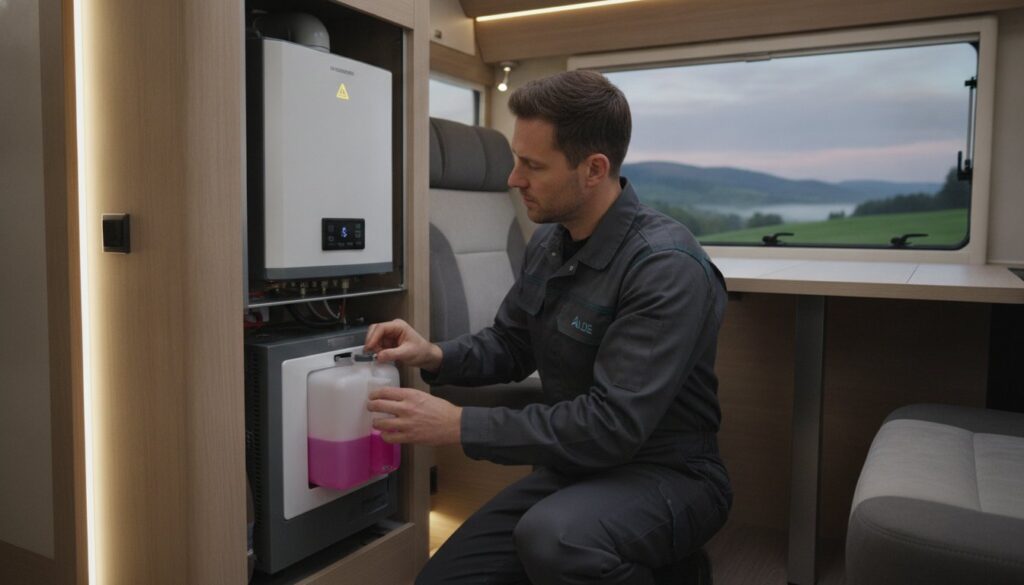
You wake up on a crisp morning, expecting the gentle radiance of your caravan’s radiators, but instead, you’re met with a biting chill and a silent boiler. It’s a frustrating scenario that many owners face, often leading to a frantic search for answers. Most alde heating system problems are actually preventable, typically stemming from air pockets or neglected fluid rather than a total mechanical collapse. You want your van to be a sanctuary, not a source of technical stress or unexpected repair bills.
We understand that the complexity of a hydronic system can feel daunting, especially when you’re faced with confusing glycol colours or strange gurgling noises. This troubleshooting guide provides the clarity you need to identify faults quickly and safely. We’ll show you how to manage airlocks, explain the vital difference between two-year and five-year fluids, and help you decide if a DIY fix is possible or if it’s time to call in a professional. By following these methodical steps, you can restore your comfort and ensure your system remains efficient for years to come. Our goal is to provide the peace of mind that comes from a warm, reliable van.
Key Takeaways
- Learn how your hydronic system uses glycol fluid to provide even warmth, making it the superior choice for winter touring.
- Discover how to identify and clear stubborn airlocks that cause gurgling noises and cold spots in your radiators.
- Understand why mixing different antifreeze colours can lead to internal corrosion and other common alde heating system problems.
- Recognise the critical warning signs of a failing circulation pump or gas failure before they result in a total system shutdown.
- Find out how professional fluid maintenance protects your boiler from costly damage whilst ensuring your system remains reliable.
Understanding the Alde Hydronic System and Common Faults
Hydronic heating is a fluid-based radiator system. It works by circulating a mixture of glycol and water through a network of pipes and radiators hidden behind your caravan or motorhome furniture. This process creates a “thermal curtain” of rising warm air that eliminates cold spots and provides a gentle, consistent heat similar to a modern home. This design is vastly superior for winter comfort whilst touring, as it doesn’t dry out the air or circulate dust like traditional blown-air alternatives. It’s a premium feature that turns a vehicle into a true four-season sanctuary.
Even the most reliable setups can encounter alde heating system problems if regular maintenance is overlooked. In 2026, the latest systems have integrated advanced control panel diagnostics to help owners identify issues faster. These modern interfaces provide specific error codes that can distinguish between a simple gas supply issue and a more complex internal circulation fault. Understanding these messages is the first step towards a quick resolution and a warm van.
Alde vs. Blown-Air Heating: The Maintenance Difference
Blown-air systems are relatively simple, but they lack the efficiency and silence of a wet system. Because Alde relies on a liquid medium, it requires more attention to fluid levels and chemistry. You must keep a close eye on the expansion tank, which is usually located high up in a wardrobe or bathroom cupboard. This tank acts as the system’s reservoir; if the level falls too low, the pump will draw in air instead of fluid. One challenge is that the system’s silent operation can mask early warning signs. You won’t hear a fan struggling, so you must be proactive with visual checks to ensure everything is running correctly. If you notice a sudden drop in performance, professional fault diagnosis can prevent a minor leak from becoming a major repair.
Why Problems Occur: Wear, Fluid Degradation, and Air
Most system failures are caused by three factors: chemical breakdown, physical vibration, and mechanical wear. The glycol fluid isn’t just for frost protection; it contains vital corrosion inhibitors. Over time, these chemicals degrade, and the fluid can become acidic, potentially damaging the aluminium boiler from the inside. This is why regular fluid changes are essential for longevity. Vibration is another factor. As you travel, the movement of the vehicle can introduce air into the pipework, leading to stubborn airlocks that stop the heat from reaching every radiator. Finally, the circulation pumps are mechanical parts with a finite lifespan. After years of reliable service, they may eventually require replacement to maintain the steady flow of warmth your system needs.
Troubleshooting Common Alde Heating Noises and Temperature Issues
When your heating system starts making unusual sounds or fails to reach the desired temperature, it can quickly disrupt your touring experience. These alde heating system problems are frequently caused by air management issues or incorrect settings rather than a catastrophic hardware failure. By following a methodical approach, you can often identify the root cause yourself. It’s about being proactive and observant, ensuring your system remains a dependable source of comfort.
Dealing with Gurgling and Bubbling Sounds
A persistent gurgling or bubbling sound whilst the heating is running is a classic sign of an airlock. As fluid circulates, air bubbles get trapped in the high points of the pipework, creating noise and preventing heat from radiating evenly. To resolve this, you need to locate the bleed points. These are typically situated at the highest parts of the circuit, such as behind high-level lockers or on the bathroom towel rail. It’s essential to follow a specific sequence for effective air removal.
- Turn off the heating and the circulation pump completely.
- Wait at least 15 minutes for any air bubbles to collect at the high points.
- Open the bleed valves one at a time, starting from the point furthest from the boiler.
- Close the valve as soon as fluid begins to emerge.
- Check the expansion tank level immediately after bleeding, as you may need to top up the fluid.
If the noise persists despite bleeding, check your pump speed. On many 12V systems, the pump speed is adjustable. If it’s set too high for your vehicle size, it can cause cavitation, which sounds remarkably like air bubbles. For most standard caravans, a setting of 2 or 3 is sufficient. If you are unsure about your settings, you can request a professional inspection to ensure your system is perfectly balanced for your specific layout.
Lukewarm Water and Cold Radiators
It’s frustrating to have the heating on high whilst the water remains only lukewarm. First, verify your pump mode on the control panel. If it’s set to “Continuous”, the pump runs regardless of the thermostat, which can sometimes hinder the boiler’s ability to prioritise hot water. Switching to “Thermal” mode often solves this. If you’re using electric hookup, ensure you’ve selected the correct power level. On a 16-amp supply, you should be able to use the 2kW or 3kW settings; if only 1kW is selected, the system may struggle to provide both heat and hot water simultaneously.
If the van is warm but the water is cold, the issue might be the Thermostatic Mixing Valve (TMV). This mechanical valve blends hot water from the boiler with cold water to prevent scalding at the taps. If it becomes stuck or scaled up, it may add too much cold water to the mix. A quick check of the pipes leading to the valve can confirm if the boiler is producing heat even if the tap isn’t delivering it. Maintaining this valve is a small task that provides significant peace of mind during winter trips.
The Role of Glycol and Fluid Maintenance in System Reliability
The glycol mixture in your radiators is the lifeblood of your heating. It’s easy to assume it only provides frost protection, but its most critical role is preventing internal corrosion. Many alde heating system problems originate not in the boiler hardware, but in the chemistry of the fluid circulating through it. When the corrosion inhibitors in the glycol expire, the fluid becomes acidic, leading to the slow destruction of the aluminium components within your system. Maintaining the correct fluid quality is the most effective way to protect your investment.
You can quickly identify the type of protection you have by checking the colour of the fluid in your expansion tank. Blue or green fluid is typically a silicate-based antifreeze with a short two-year lifespan. In contrast, the pink or magenta fluid, often G12++ or G13 standard, is an Organic Acid Technology (OAT) mixture designed to last for five years. Never mix these two types. Combining blue and pink glycol can trigger a chemical reaction that creates a thick, jelly-like sludge. This substance blocks the narrow channels of the heat exchanger and can lead to a total system failure that is both difficult and expensive to rectify.
Checking and Topping Up Fluid Levels
Monitoring your fluid level is a simple task that should be part of your regular pre-trip checks. You’ll find the expansion tank tucked away in a high-level location, such as a wardrobe or bathroom cabinet. When the system is cold, the fluid should sit approximately one centimetre above the minimum mark. It’s normal for this level to rise toward the maximum mark as the system heats up and the fluid expands. If you find the level is consistently low, you may have a small leak or a stubborn airlock that has finally cleared.
When topping up, accuracy is vital. Always use a 50/50 mixture of glycol and deionised water. Avoid using tap water, as the minerals and calcium it contains can lead to limescale buildup and internal scaling. This reduces the efficiency of your radiators and puts unnecessary strain on the circulation pump. Keeping a small bottle of pre-mixed fluid in your van ensures you can maintain the system correctly whilst on the road.
The Importance of the Glycol Change Interval
There is a common misconception that a new caravan or motorhome automatically comes with five-year fluid. Many manufacturers still use two-year blue fluid during the build process to manage costs. If you’ve bought a pre-owned vehicle, you cannot always rely on the colour alone to judge the fluid’s health. Over time, the fluid loses its ability to buffer pH levels, even if it still looks clean. A professional Alde heating fluid change interval check is the only way to be certain your boiler is protected.
Neglecting this maintenance can be a costly mistake. A severely corroded boiler may require a full factory rebuild, which can cost upwards of £1,500. By staying ahead of the five-year change cycle and using high-quality G13 spec fluid, you ensure your system remains efficient and reliable. It’s a straightforward service that provides years of worry-free winter touring.

Identifying Serious Alde Faults: When to Call an Engineer
Whilst basic maintenance like bleeding air is well within most owners’ capabilities, some alde heating system problems require the expertise of a qualified specialist. Your heating system is a complex marriage of gas, 230V electricity, and a 12V DC power supply. Attempting complex repairs yourself doesn’t just risk your warranty; it can also lead to dangerous safety issues or permanent damage to the boiler’s delicate internal components. Recognising when a problem has moved beyond a simple top-up is key to protecting your vehicle and your safety.
It’s also important to remember that because Alde systems are gas-fired appliances, certain repairs are legally restricted. Any work involving the gas burner, gas valve, or flue must be carried out by a Gas Safe registered engineer with the correct LPG qualifications. Professional intervention ensures that your system remains compliant with safety regulations and continues to operate at peak efficiency during the coldest months of the year.
Pump Failures and Circulation Issues
The circulation pump is the heart of your system. If it fails, the boiler will heat the fluid inside its own tank but won’t be able to push that warmth to your radiators. You may notice the boiler firing up and then cutting out quickly as it reaches its internal temperature limit. Listen carefully for a faint humming or a high-pitched screeching sound. A screeching noise often indicates that the pump bearings are failing, whilst total silence usually points to an electrical fault or a seized motor.
There is a significant difference between the older header tank pumps and the modern inline pumps. Header tank pumps are located inside the expansion tank and are generally easier to inspect visually. Inline pumps are integrated into the pipework near the boiler and offer much quieter operation. Because these components rely on a stable 12V supply, professional fault diagnosis is vital. An engineer can determine if the pump itself has failed or if the issue lies with the control panel’s output, preventing you from replacing perfectly good parts unnecessarily.
Control Panel Error Messages
Modern Alde panels, including the 3020 HE and the latest 3030 models, are excellent at communicating specific faults. A “Red Exclamation” warning is a clear signal that the system has detected an operational error. “Gas Failure” is one of the most common alerts. Before panicking, check that your gas bottles aren’t empty and that the isolation valve is open. If the gas supply is confirmed but the error persists, there may be a fault with the spark electrode or the gas valve itself.
An “Overheat” message is more serious. This occurs when the temperature sensor detects levels that could damage the system. You can attempt a hard reset by turning the panel off and disconnecting the 12V supply for a few minutes, but you should never ignore a recurring overheat warning. It could indicate a failed thermostat, a faulty PCB, or a major blockage in the fluid circuit. If your panel continues to show persistent errors after a reset, you can book a specialist inspection to restore your heating safely and efficiently.
Specialist Alde Heating Repairs and Servicing in South Yorkshire
When you encounter persistent alde heating system problems, the most efficient way to resolve them is through a specialist on-site inspection. Dragging your caravan or motorhome to a distant workshop is often time-consuming and inconvenient. Our mobile service brings technical expertise directly to your driveway or storage site across South Yorkshire, covering Sheffield, Rotherham, Doncaster, and the surrounding areas. This approach allows us to diagnose faults in the exact environment where they occur, ensuring a more accurate and reliable repair. It’s about providing a “safe pair of hands” so you can get back to enjoying your travels without the stress of a cold van.
A professional Alde Heating System Fluid Change is far more thorough than a simple top-up. We use specialist pumping equipment designed to flush out every drop of old, degraded glycol whilst simultaneously removing trapped air from the entire circuit. This “no-mess” process ensures your interior remains pristine whilst your heating system is restored to factory efficiency. By replacing old fluid with high-quality G13 specification glycol, we provide your boiler with five years of premium protection against internal corrosion and pump wear. This proactive maintenance is the most cost-effective way to avoid expensive boiler rebuilds in the future.
Mobile Alde Maintenance Across Sheffield and South Yorkshire
Convenience is at the heart of our service. Whether you’re preparing for a winter tour or have noticed a drop in performance, booking your Alde heating service in Sheffield ensures your vehicle is ready when you are. We carry a full range of diagnostic tools and spare parts, allowing us to resolve most circulation issues or control panel errors on the spot. This dedicated care prevents small airlocks from developing into major alde heating system problems that could ruin a holiday. We pride ourselves on being a reliable partner for local owners, offering honest advice and meticulous workmanship every time.
Why Professional Habitation Checks Prevent Heating Failure
The best way to ensure long-term reliability is by combining heating maintenance with a full habitation service. During this comprehensive inspection, we don’t just look at the boiler; we check the entire network of pipes and radiators. We look for hidden leaks behind furniture and under floors that could lead to damp issues or fluid loss. We also perform a rigorous gas safety test to ensure the burner is operating cleanly and the flue is unobstructed. This holistic approach provides the ultimate peace of mind, knowing that every aspect of your caravan’s safety and comfort has been verified by a seasoned expert. It’s an efficient way to manage your vehicle’s health in one single, professional visit.
Restoring Confidence in Your Caravan Heating
Maintaining a hydronic system doesn’t have to be a source of anxiety. By staying on top of your five-year glycol changes and understanding how to bleed air effectively, you can ensure your radiators provide consistent, silent warmth. Most alde heating system problems are entirely preventable when you follow a methodical maintenance routine and act quickly at the first sign of a gurgling pipe or a cold spot. Protecting your boiler today ensures your van remains a comfortable sanctuary for many years to come.
If you’re facing a stubborn fault or your system is due for a professional fluid refresh, we provide the technical expertise you need. Our Alde-trained specialist engineer offers a fully mobile service across South Yorkshire, using specialist glycol flushing equipment to guarantee a thorough, no-mess result at your convenience. Book your expert Alde heating service in South Yorkshire today to restore your system’s efficiency and your peace of mind. Your next winter adventure should be defined by comfort, not cold mornings. We’re ready to help you get back to enjoying the open road with a system you can trust.
Frequently Asked Questions
Why is my Alde heating gurgling?
Gurgling is usually caused by air trapped in the pipework or an incorrectly set pump speed. If the noise persists after you’ve bled the radiators, the pump speed might be too high for your specific vehicle size. Most caravans only require a setting of 2 or 3; anything higher can cause cavitation. You should also check that the fluid in your expansion tank hasn’t dropped below the minimum mark.
Can I use my Alde heating without water in the fresh tank?
Yes, it’s perfectly safe to use your central heating whilst the fresh water system is drained for winter. The boiler doesn’t require water in the hot water cylinder to provide space heating because these are separate circuits. This feature allows you to keep your van warm and protected from frost during storage or cold-weather touring without needing to fill your water tanks.
Why are my radiators cold but I have hot water?
This issue typically indicates that the circulation pump isn’t moving fluid through the radiators, even though the boiler is heating correctly. First, ensure your control panel isn’t set to “Summer Mode”, which prioritises hot water only. If the settings are correct, the pump may have failed or lost power. This is one of the more common alde heating system problems that requires a professional electrical check to resolve.
How often should I change the Alde heating fluid?
Your fluid change interval depends on the type of glycol currently in your system. Most modern installations use pink G12++ or G13 fluid, which has a five-year lifespan, whilst older systems often use blue fluid that expires after just two years. Exceeding these intervals allows the corrosion inhibitors to break down. Regular changes are essential to prevent the internal aluminium components of your boiler from corroding over time.
What does the “Overheat” error mean on my Alde panel?
An “Overheat” message means the system has reached a temperature that tripped the safety cut-out, often due to an airlock. When air prevents the fluid from circulating, the heat builds up rapidly within the boiler itself. You should let the system cool down completely, check the fluid levels, and bleed any air before resetting the control panel. If the error recurs, it may signal a faulty sensor or a more serious circulation fault.
Can I mix blue and pink glycol in my Alde system?
You must never mix different colours or types of glycol in your heating circuit. Mixing blue silicate-based antifreeze with pink OAT fluid can trigger a chemical reaction that creates a thick gel. This substance can block narrow pipes and the heat exchanger, leading to catastrophic boiler damage. Always flush the system completely before switching to a longer-life fluid to ensure your alde heating system problems don’t become permanent.